


The Policy Forum: Indigenous-Led Climate Resilience: Governance, Community Capacity, and Enterprise in Action
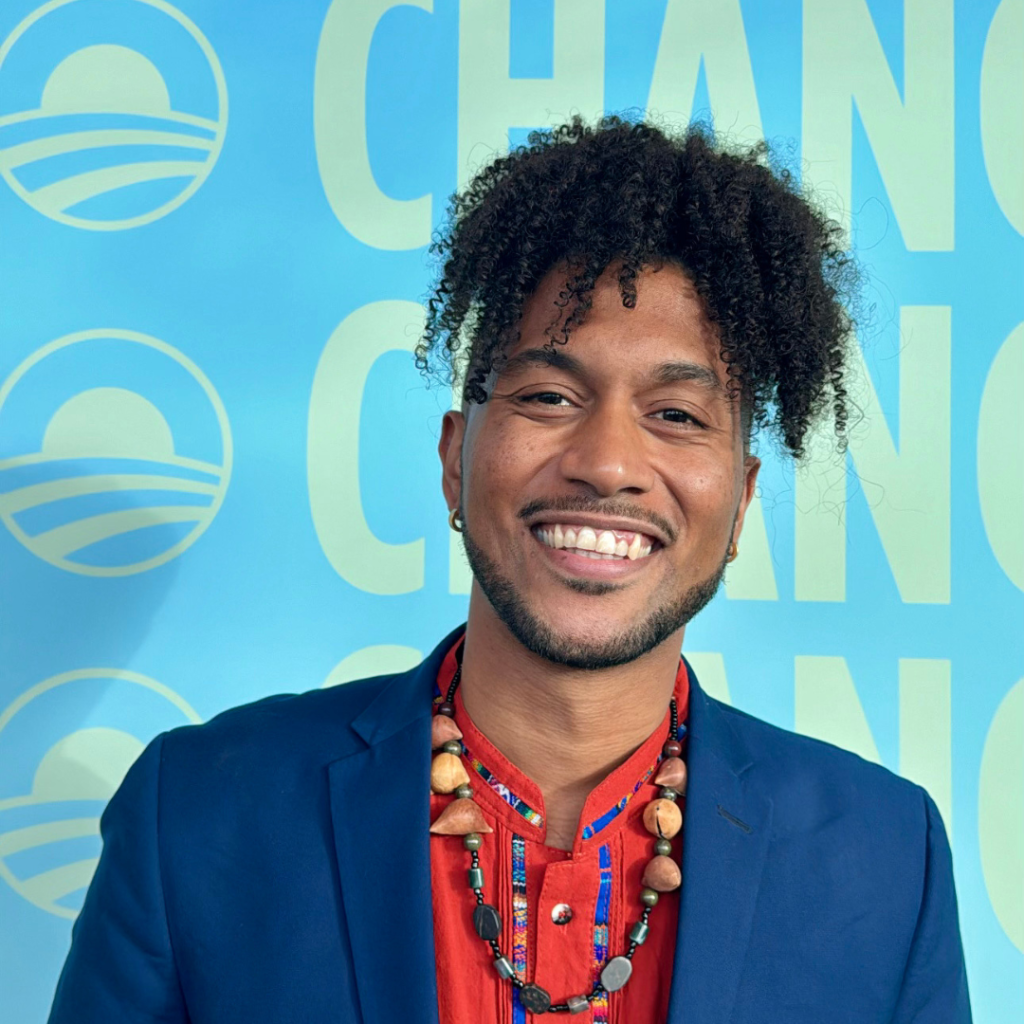
Terrius Harris, (facilitator)
Terrius, an Afro-Indigenous Latinx professional, harnesses global and domestic frameworks to address economic, educational, environmental, and political inequities in Indigenous communities. He holds a Master of Public Policy from the University of Chicago, a Master in Indigenous Peoples Law from the University of Oklahoma, and three bachelor’s degrees from the University of Mississippi.
Series Description:
Each month we will dive into a topic with experts available to answer questions and present the important information that connects to your business and advocacy efforts.
This Month:
There is no single model for Indigenous climate resilience. Communities across the country are building systems that seamlessly connect policy, community capacity, and economic infrastructure to meet their unique priorities.
Building on research from A Case Study of Indigenous-Led Climate Adaptation and Anti-Displacement Strategies Across the 12 U.S. Unified Interior Watershed Regions, this ASBN Policy Forum brings together Indigenous leaders, practitioners, and institutional partners to discuss action on the ground.
Key Discussion Topics:
- Governance & Policy: How local sovereignty and policy implementation drive long-term adaptation.
- Organizational Capacity: Real-world perspectives on institutional growth from Turtle Island Community Capital and Grinding Stone Collective.
- Business & Enterprise: Utilizing economic tools and enterprise models to strengthen community resilience.
- Partner Insights: Practical takeaways for policymakers, funders, and sustainable business leaders looking to support Indigenous-led initiatives.
Our Speakers

Chenae Bullock,
LPIM Portfolio Associate | Turtle Island Community Capital
Chenae Bullock is an enrolled citizen of the Shinnecock Nation and a living descendant of the Montauk people. She is an Indigenous leader, water protector, cultural preservationist, and Founder and CEO of Moskehtu Consulting, an Indigenous-led sustainability and cultural strategy firm advancing regenerative leadership across business, government, and philanthropy.
Deeply rooted in ancestral practice, Bullock has led efforts to revitalize traditional northeastern Algonquin canoe culture, organizing and guiding ceremonial paddles along historic waterways from Shinnecock to Mashantucket Pequot, across Long Island Sound, and from Boston to New York City. These journeys reclaim Indigenous presence along ancestral trade and migration routes while advancing cultural preservation and environmental stewardship.
A seasoned executive and strategist, Bullock has managed startup operations exceeding $18 million, including oversight of a $6.7 million retail build-out. As a licensed Indigenopathic practitioner, she incorporates traditional plant medicine and Indigenous wellness frameworks into her work. She also serves on the Indigenous Advisory Council for the Shinnecock Bay Hope Spot, supporting restoration efforts and ocean health advocacy. Her leadership has received national attention through platforms including Forbes, Rolling Stone, TEDx, SXSW, Bloomberg, and Indian Country Today.
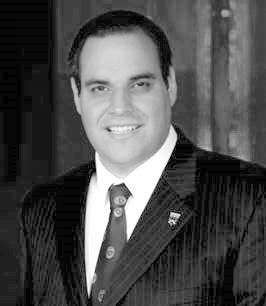
Dr. Ramon Sanchez is the Chief Knowledge and Innovation Officer at the Alliance for Tribal Clean Energy, bringing extensive experience in sustainability, renewable energy, environmental health, and technology innovation. His career bridges academic research, corporate leadership, and the development of sustainable technologies that support environmental resilience and economic advancement.
Previously, Sanchez served as Director of the Sustainable Technologies and Health Program at the Harvard T.H. Chan School of Public Health, where he also served as principal investigator for three research projects focused on developing innovation ecosystems around the world. His research encompasses renewable energy systems, climate change preparedness, community resilience, sustainable manufacturing, carbon accounting, and life-cycle environmental assessments.
Before entering academia, Sanchez held senior engineering and management positions in the manufacturing and automotive industries, overseeing multidisciplinary teams responsible for products generating approximately $180 million in annual revenues. He holds 15 records of invention and five patents in the United States and Europe and contributed to a research team that received Mexico’s National Technology Award in 2002. Sanchez earned his PhD and MA in Environmental Health from Harvard University, along with graduate and undergraduate engineering degrees from the Monterrey Institute of Technology in Mexico.

Marissa J. Merculieff is an Alaska Native attorney, Tribal leader, and enrolled member of the Aleut Community of St. Paul Island, a federally recognized Tribal Nation in Alaska’s Bering Sea. Raised on St. Paul Island in a halibut fishing family, she has dedicated her career to strengthening Tribal sovereignty, self-governance, and the economic and environmental well-being of Indigenous communities.
As Director of the Office of Justice and Governance Administration, Merculieff provides leadership on Tribal governance, federal and state policy, fisheries management, and natural resource protection. Her work focuses on strengthening institutional capacity, advancing Tribal self-determination, and supporting sustainable economic opportunities rooted in community priorities.
Her professional experience includes serving as a legal advisor to the Waikato-Tainui Tribe in New Zealand, where she worked on environmental co-management initiatives involving the Tribe’s ancestral river. In 2024, Merculieff was appointed to the National Oceanic and Atmospheric Administration’s Marine Fisheries Advisory Committee and received Rachel’s Network’s Catalyst Award in recognition of her leadership. She earned her Juris Doctor, cum laude, from Arizona State University, with certificates in Indian Law and Environmental Law, and holds a Bachelor of Science in Conservation Biology.

Brooke Rodriguez is a Borikua Taíno community leader, Indigenous food sovereignty advocate, and Founder and Board President of Grinding Stone Collective, a New York-based, Indigenous-led nonprofit dedicated to revitalizing ancestral food systems, preserving traditional ecological knowledge, and strengthening relationships between Indigenous communities and their ancestral lands.
With more than 20 years of experience in Indigenous advocacy, education, agriculture, and coalition building, Rodriguez has led initiatives centered on cultural revitalization, intergenerational knowledge sharing, and community-based environmental stewardship. Through Grinding Stone Collective, she supports Indigenous food sovereignty programming, culturally grounded education, and efforts to reconnect Native communities with traditional agricultural practices and foodways.
Rodriguez also serves as Board President of the Borikua Taíno Foundation and is co-owner of Buffalo Jump NYC, an Indigenous food catering business celebrating Native food traditions and supporting Indigenous food economies. She previously served as Grants and Operations Manager for the Indigenous Medicine Conservation Fund. Selected for the MIT Solve Indigenous Communities Fellowship in 2022, Rodriguez has advanced community-driven approaches to climate resilience and Indigenous knowledge preservation. Her work also includes contributions to research on urban Indigenous food systems, including a 2026 publication in Current Developments in Nutrition.
This is a Members Only event. To gain access to this event’s registration form you must be signed in.
Not a member? Join ASBN today!